
Đurić: From “Balkanization” to Cooperation
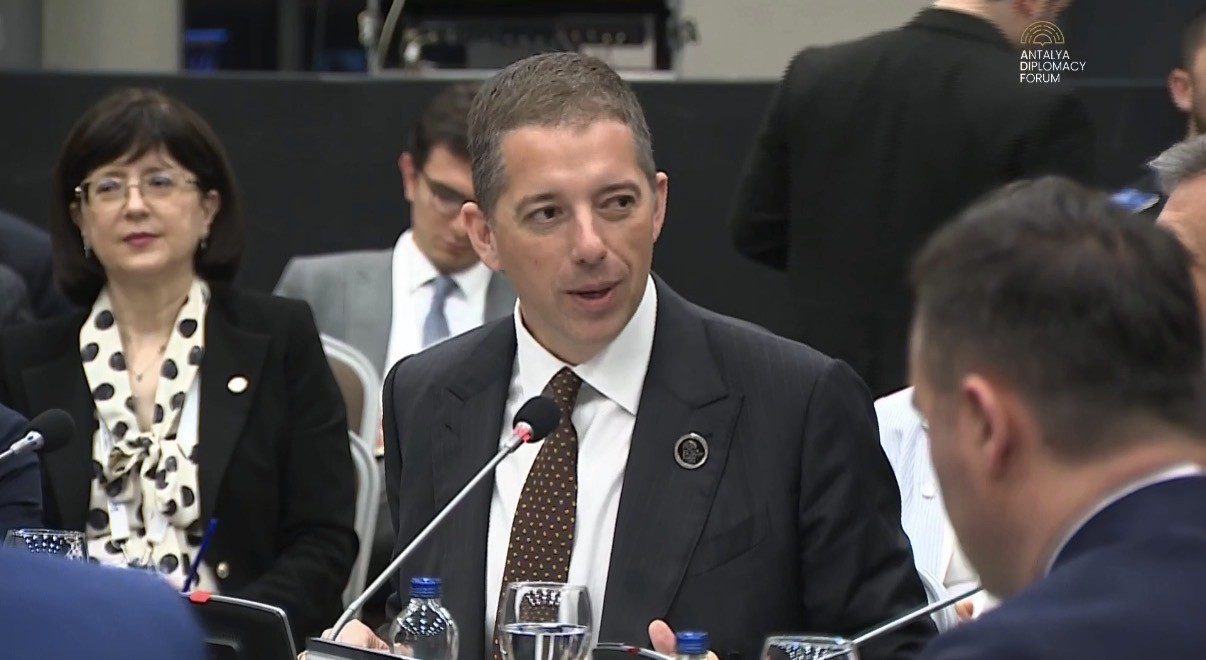
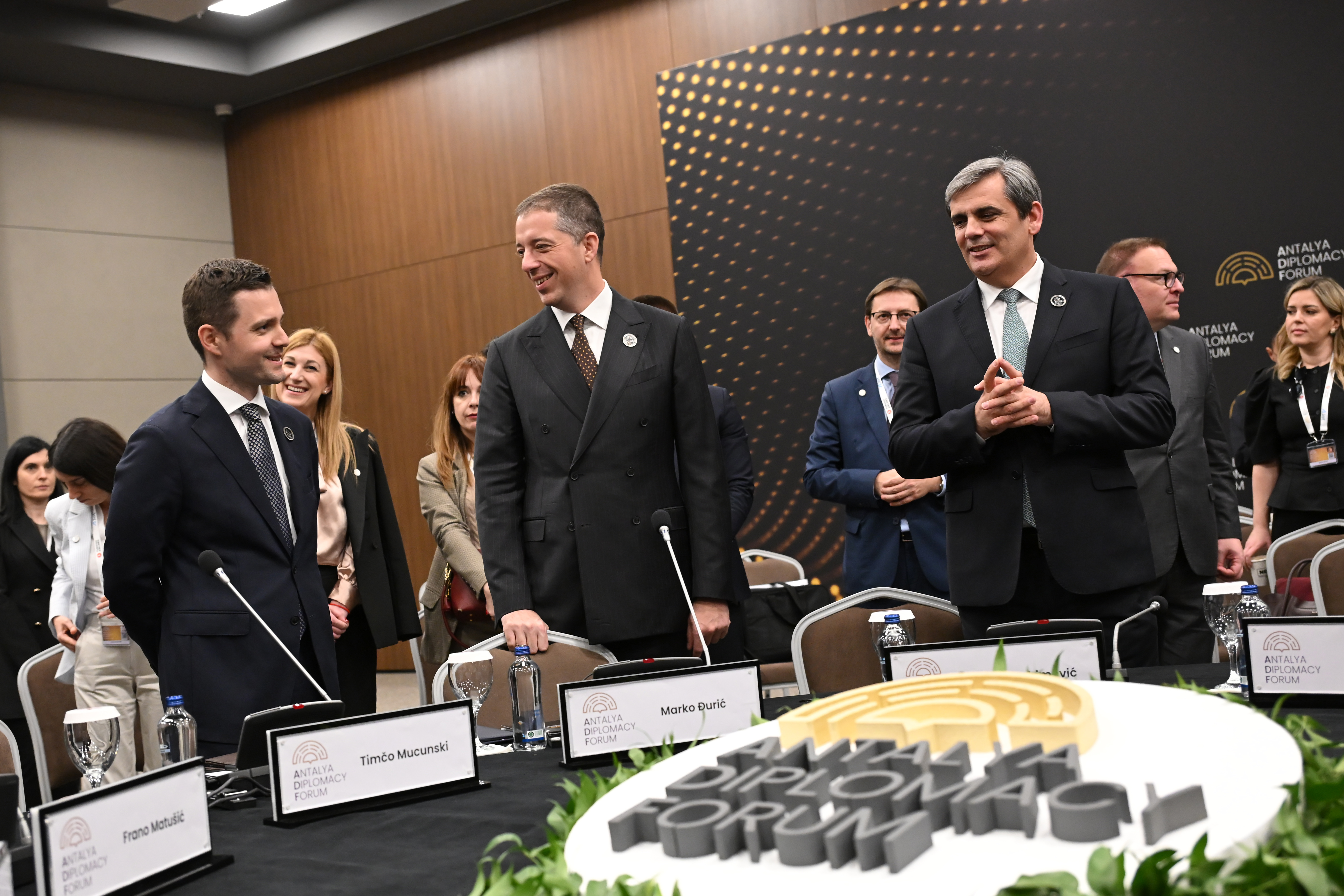
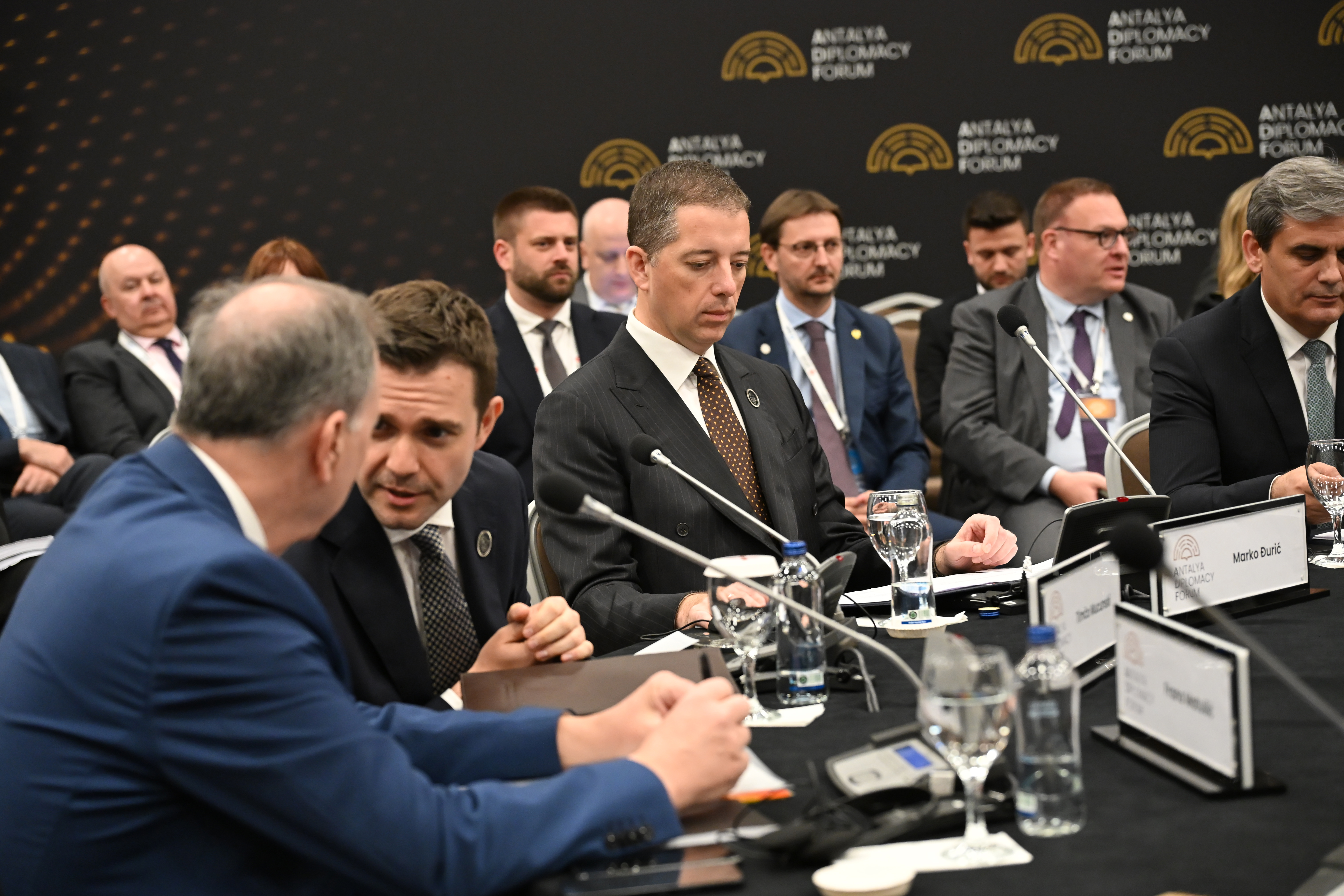
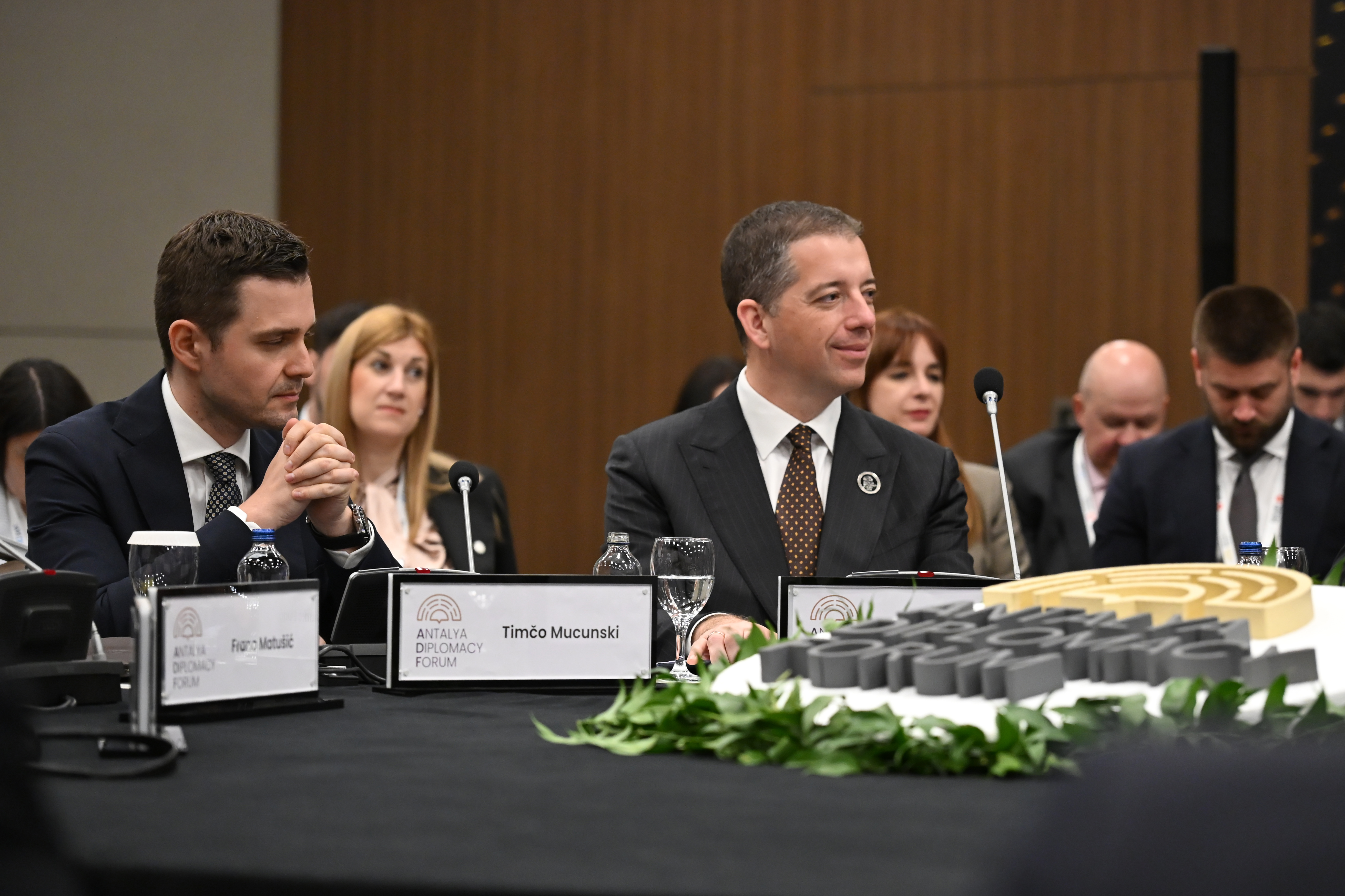
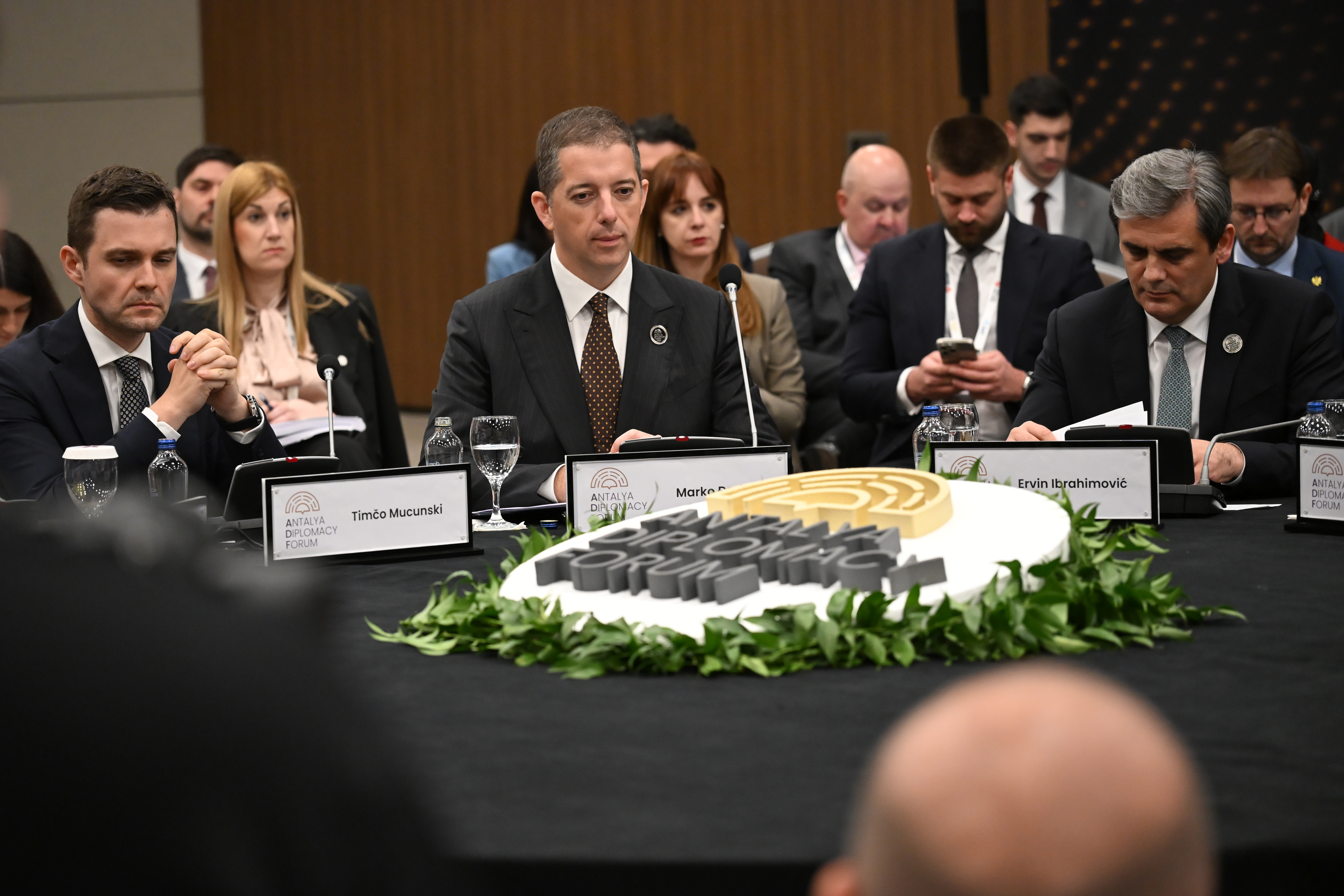
“We have just concluded an extraordinarily successful round of dialogue within the Balkan Peace Initiative, which is gaining momentum and, I believe, is creating a new paradigm of cooperation in this regional context. It is nothing new to say that our region—the Balkans—is known for the term ‘Balkanization.’ I must admit that, in this era of conspiracy theories, I sometimes wish that all this ‘Balkanization’ were in fact a kind of conspiracy among us all to dominate every forum in the world by the number of participants and the breadth of topics we invariably bring with us,” said Đurić.
However, Serbia’s top diplomat emphasized that he strongly believes “Balkanization” should be replaced with cooperation.
“I therefore believe that the creation of new, concrete, and tangible projects—ones that will deliver what is most urgently needed, namely the free movement of goods, capital, people, and services—is our duty. This is essential for the survival and prosperity of each of our proud nations,” Đurić underlined.
Speaking about the importance of cooperation, the Minister also referred to current international circumstances.
“In that context, given that we are facing a global crisis of unprecedented scale, with immediate repercussions—for example in the energy sector—we consider it of utmost importance to establish mechanisms for cooperation in the field of energy and resource-sharing, to build new gas pipelines, and to develop mechanisms for expressing solidarity in emergency situations, at a time when we see that many major European economies are at risk of lacking sufficient fuel supplies,” Đurić assessed.
According to him, much has also been said about the issue of “brain drain” in the region, adding that the only way to halt it is to create optimism about the region’s future.
“Identity matters, territory matters, and all our states and nations are of immense importance. However, we will not be able to preserve any of this unless we create optimism for future generations. That is what we are committed to in every possible sense,” Đurić concluded.
Addressing the process of accession to the European Union, Serbia’s Foreign Minister noted that up to ten new laws are being adopted this week, as the country aims to technically complete all requirements for EU accession as swiftly as possible.
“I am not overly optimistic regarding the pace of the decision-making mechanism on this matter, as we all know that it remains an ongoing debate. However, I believe that the initiative brought into focus by President Aleksandar Vučić and Prime Minister Edi Rama—to enable the region to enter the common market and, in essence, the Schengen area—is something that would not cost European taxpayers anything, would enhance the security of the wider region, and would, in effect, mitigate chauvinistic, or negatively nationalist, agendas,” Đurić emphasized.
He therefore stressed dedicated support for an approach that would finally allow for tangible progress.
“A child born at the time of the Thessaloniki Declaration is now already a voter. That voter will turn against all of us—and support who knows what kind of extreme options—if we are unable to deliver something tangible,” Minister Marko Đurić concluded.